

Most people become experts on one home. We had the privilege of learning from more than 130.
Not because we owned them.
Because we cared for them.
For years we looked after homes while their owners were away. We prepared them for storms, coordinated repairs, worked with contractors, solved problems, and protected one of the biggest investments people will ever make.
Every home taught us something.
Every repair added another lesson.
Every mistake made us better at recognizing the next one.
Eventually something changed.
We stopped looking at homes the way buyers do.
We began seeing them the way experience does.
Most homeowners know every corner of one house. We learned from more than 130.
Think about that for a moment.
One homeowner experiences one roof.
One air conditioner.
One electrical panel.
One plumbing system.
One seawall.
One dock.
Now multiply those experiences more than one hundred times.
Patterns begin to appear.
You notice the little signs that often become expensive problems years later.
Not because someone taught you.
Because you've already seen them.
Again.
And again.
And again.
That experience cannot be learned from a textbook.

The house that looks flawless on the first showing is the one I walk through slowest. It's the honest ones — the ones with a visible patch or an older panel — where I know exactly what I'm looking at.
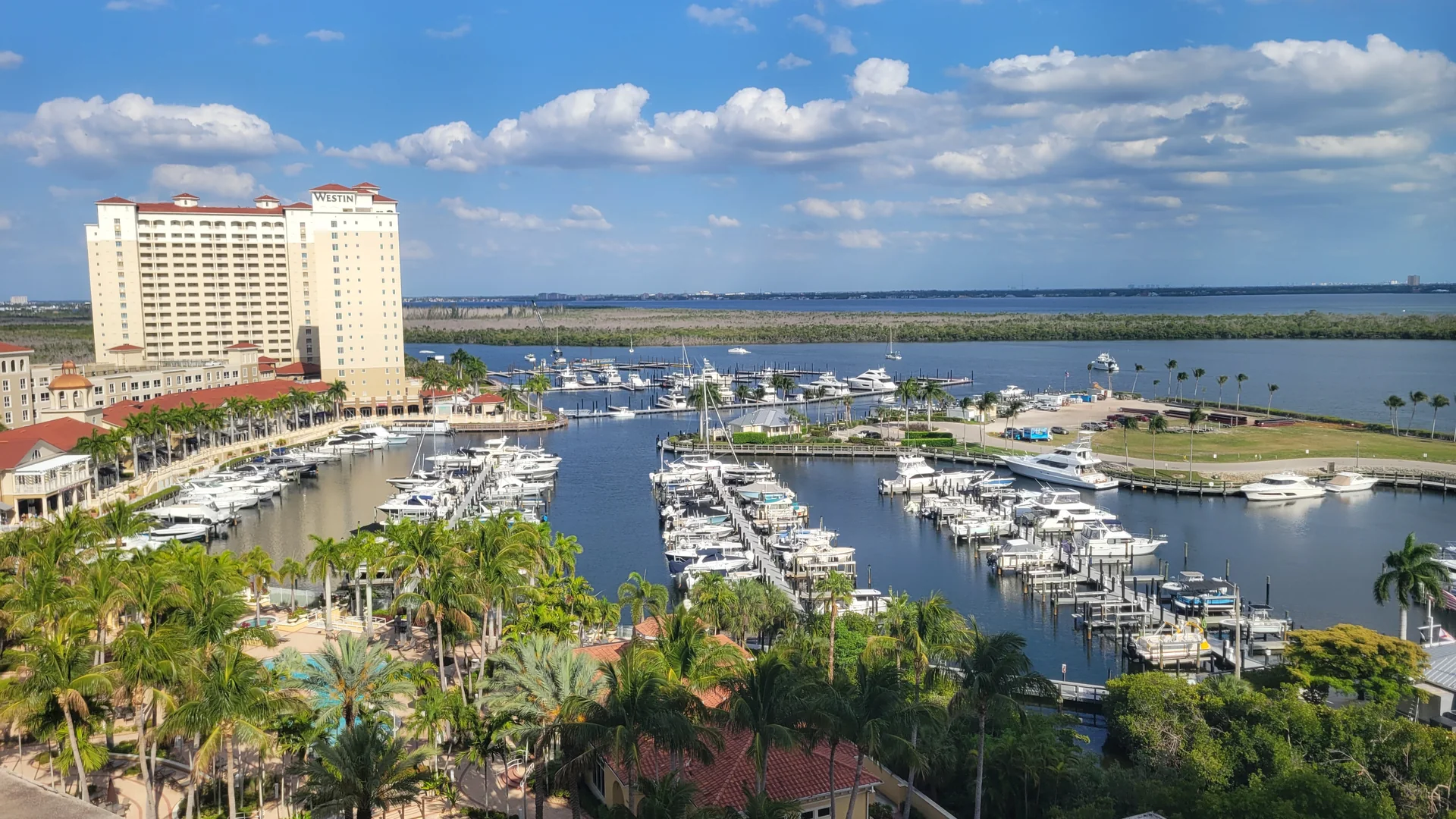 Tarpon Point Marina, Cape Coral — the same standard we hold every property to
Construction has a funny way of changing how you see a house.
When you've opened walls, replaced flooring, rebuilt kitchens, installed windows, repaired water damage, and fixed someone else's shortcuts, you stop asking whether a home looks beautiful.
You begin asking different questions.
Is this repair worth making?
Will this renovation add value?
Was this done correctly?
Is this house worth investing in?
Or is there a better opportunity waiting just around the corner?
Buying a house isn't simply deciding whether you like it.
It's deciding whether it deserves your investment.
A closing date ends the transaction. It doesn't end the house's story.
Property management taught us what happens months later.
Years later.
When the first repair appears.
When the tenant calls.
When the contractor doesn't.
When a storm passes.
When maintenance gets ignored.
That's when houses reveal who they really are.
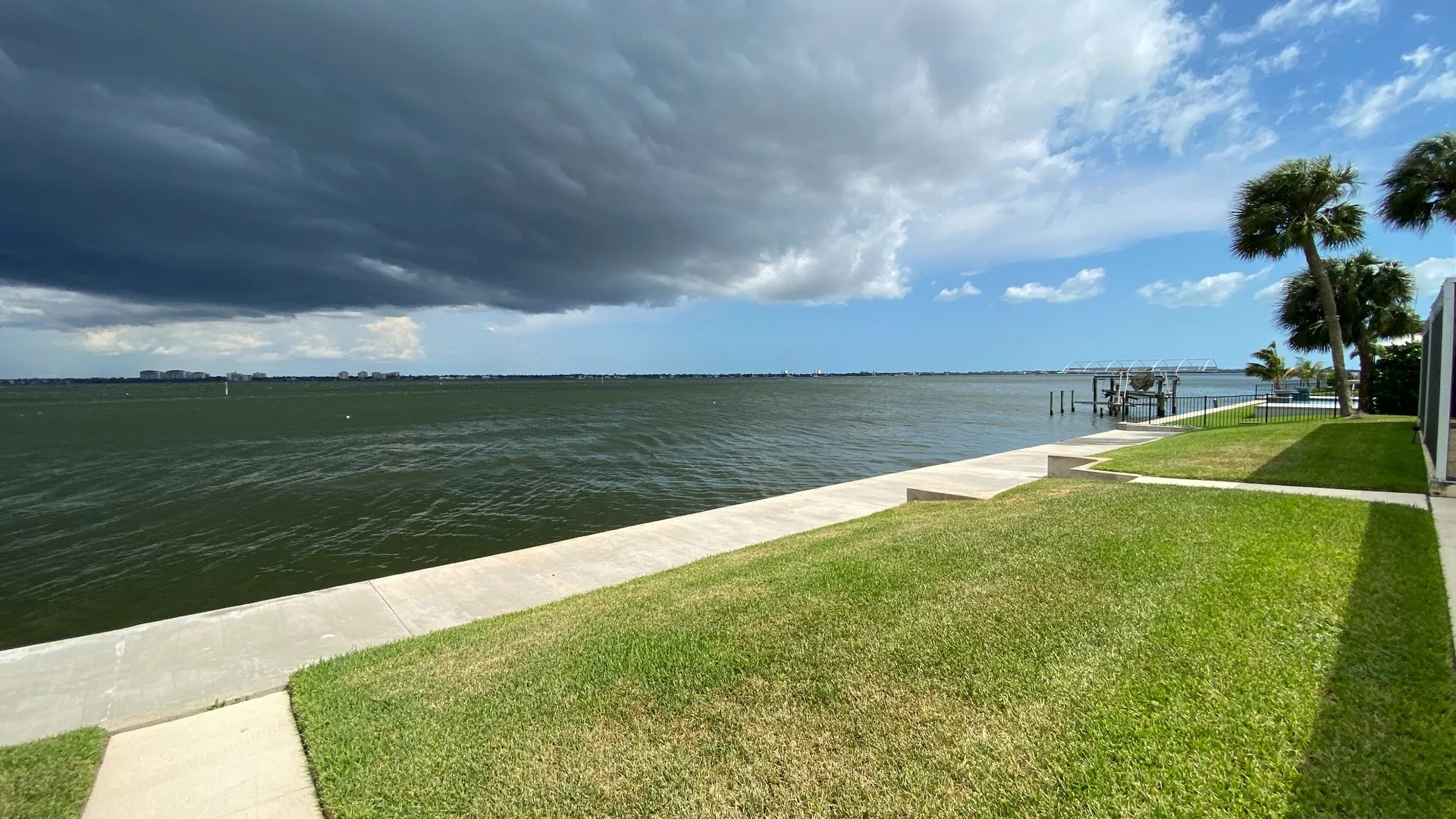 Storms, repairs, and life after closing
What you're really buying is what happens after you move in.
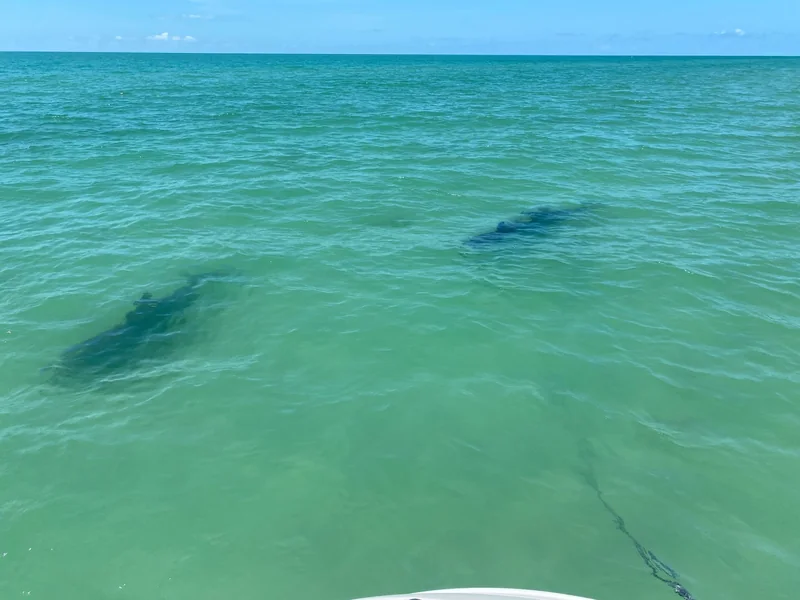
Every property has a version of this. For us, it's dolphins passing through the canal, manatees drifting beneath the dock, and a boat ride that turns an ordinary evening into something worth remembering — because our own home happens to be on the water.
For a buyer looking at a condo, it's the HOA's reserve fund and what the next special assessment might cost. For a single-family home a few streets inland, it's the roof, the electrical panel, and whether the last renovation was permitted. For a waterfront property, it's the canal, the bridges between the dock and open water, and the seawall's condition.
Different details, same idea: the listing photos show you the house. They don't show you what it's like to own it.
The house is only half of the purchase.
What comes with it is the other half.
That's why we spend as much time talking about HOA budgets, permits, and system age as we do about canals, bridges, and seawall condition — because for waterfront buyers specifically, those details decide whether the water actually works for the life they want to live: dinner at a waterfront restaurant reached by boat, an afternoon of island hopping to a quiet beach, a sunset that never quite looks the same way twice.
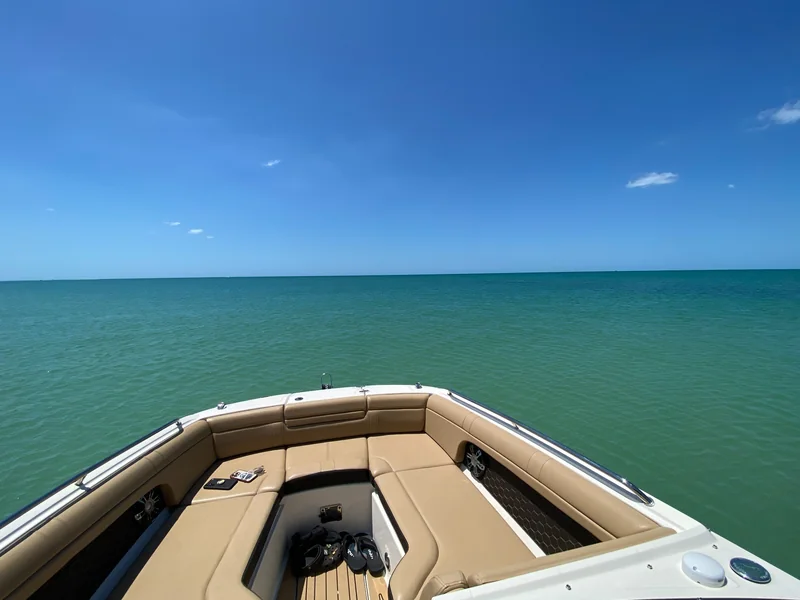
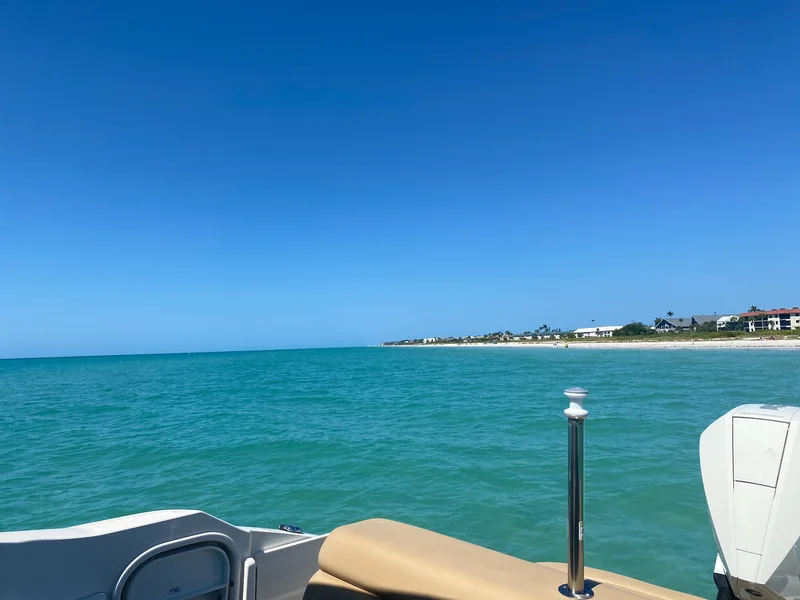
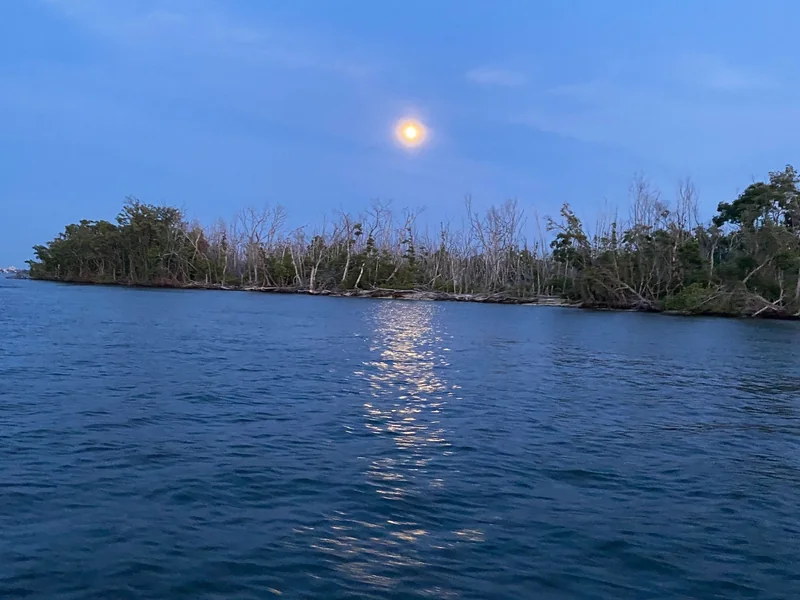
People have repeated those three words for decades. They're still true.
Paint can be changed.
Flooring can be replaced.
Bathrooms can be remodeled.
Kitchens can become completely new.
Even the floor plan can change.
But nobody has figured out how to renovate location.
You can't move the house closer to the river.
You can't lower the bridge.
You can't widen the canal.
You can't create a sunset where one doesn't exist.
Location has always mattered.
For waterfront homes...
The water matters just as much.
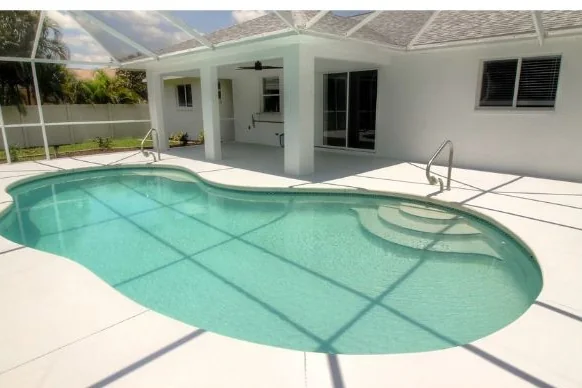
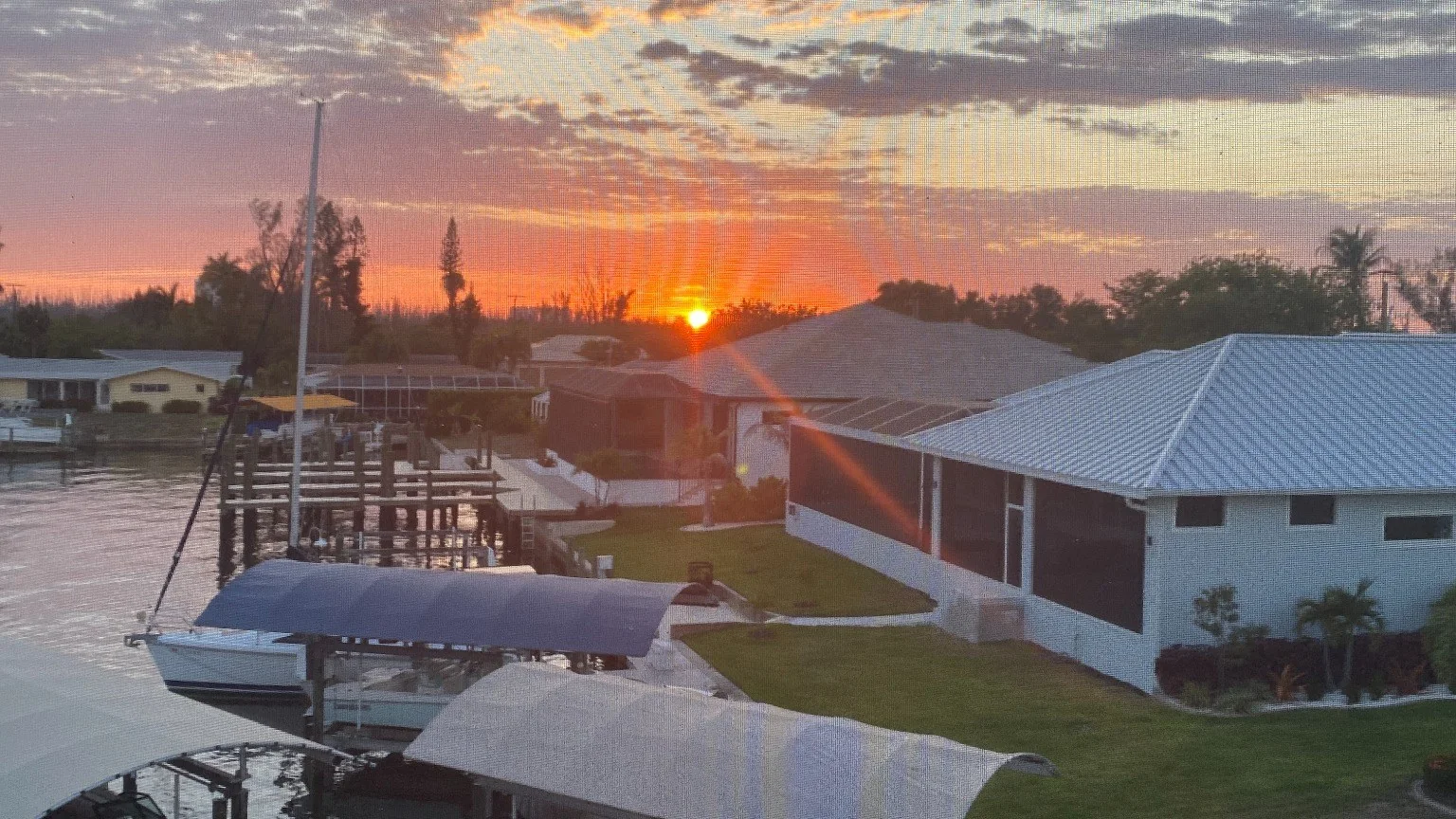 Life on the canal
This website wasn't built to impress you. It wasn't built to win awards. And it certainly wasn't built to pressure you into buying a home.
It was built because informed buyers make better decisions.
Whether you're looking for a Gulf-access home, a freshwater property, a condominium, vacant land, an investment property, or your very first home in Southwest Florida, our goal is always the same.
Help you understand the things that listings often don't tell you.
Because the right home isn't simply the one you fall in love with today.
It's the one you'll still be happy you bought ten years from now.
If this way of thinking makes sense to you, we'd love the opportunity to help you find the right place to call home.
Unlocking the front door is the easy part. Understanding what's behind it is the job.
That's the difference.